Becoming a landlord can be a great opportunity, but it comes with responsibilities that are easy to underestimate. Your property needs to be safe, your paperwork needs to be right, and your approach to tenants needs to be organised and professional.
If you’re a new landlord in England, the rules are especially important to get right in 2026. The Renters’ Rights Act changes that came into force on 1 May 2026 changed how private rented tenancies operate, so older landlord guides may now be out of date — something the team at Key Homes Letting keeps a close eye on, so you don’t have to.
01Being a Landlord Is a Business Responsibility
Even if you only own one rental property, treat it like a proper responsibility rather than a casual side arrangement. You’ll need to make decisions about maintenance, rent, records, tenant communication and compliance. Planning ahead is usually far easier than dealing with problems after they happen.
02Know the Rules That Apply to Your Property
Before advertising a property, identify the legal requirements that apply to it — safety requirements, energy performance, deposit protection, Right to Rent checks in England, property licensing where applicable, and tenancy information requirements.
The rules aren’t static. From 1 May 2026, assured shorthold tenancies became assured periodic tenancies under the new framework, and Section 21 “no-fault” possession notices are no longer available for new notices. Use current guidance rather than an old tenancy template.
03Safety Should Come Before Marketing
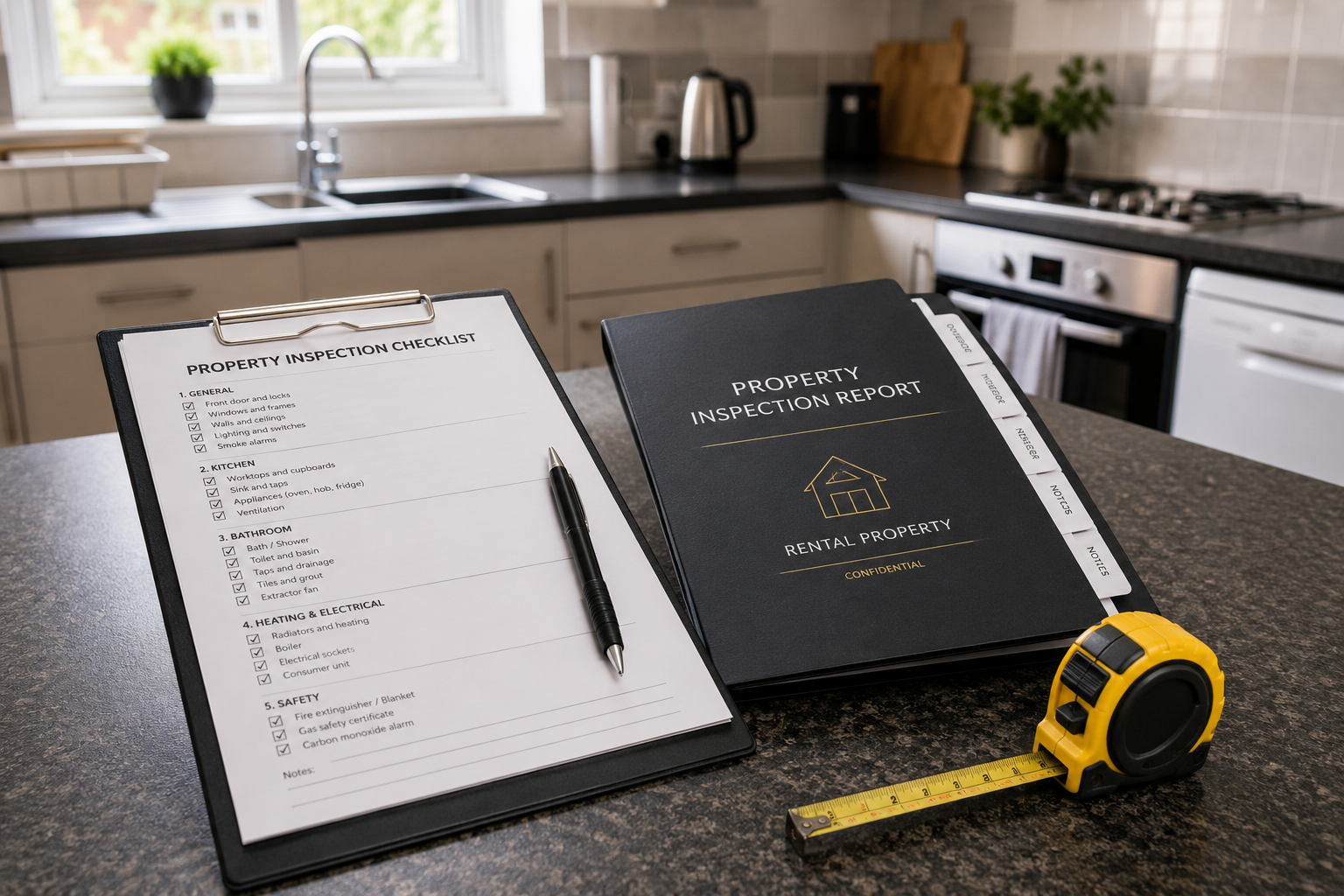
A property should be safe and properly prepared before a tenant moves in. Landlords have duties around gas safety where gas is supplied, electrical safety, smoke and carbon monoxide alarms, and the general condition of the property.
Gas appliances and flues supplied by a landlord must be checked annually by a Gas Safe registered engineer. Electrical installations in covered private rented properties must be inspected and tested at least every five years by a qualified person.
04Keep Certificates and Paperwork Organised
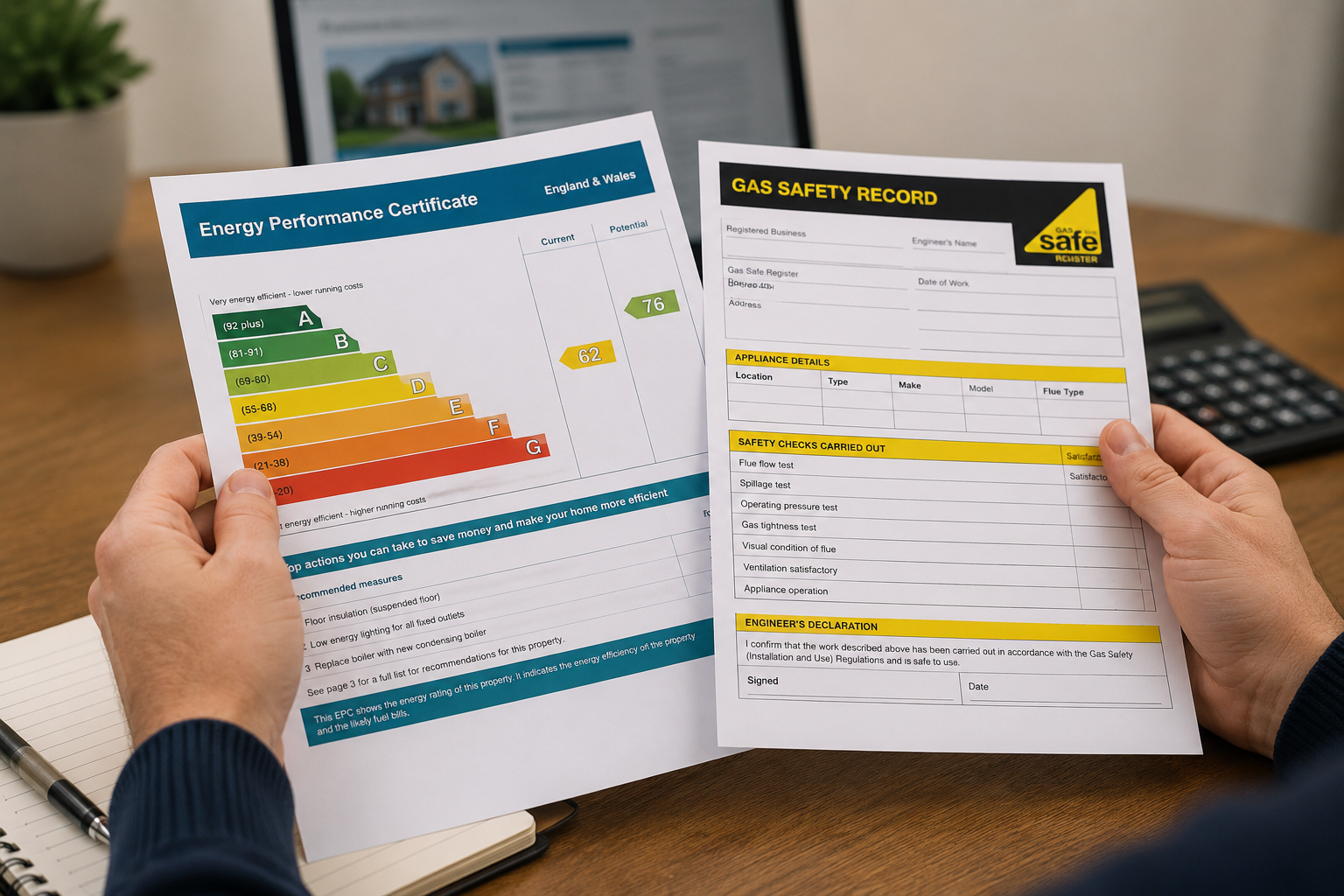
Good paperwork is one of the simplest ways to make property management easier. Keep copies of relevant safety certificates, EPC information, tenancy documents, deposit records, inspection notes, repair records and important correspondence — a folder per property makes this painless.
05Price the Property Realistically
New landlords sometimes price a property based on what they’d like to earn, rather than what the market supports. Look instead at comparable properties — location, size, condition, bedrooms, furnishings, parking and nearby amenities. A realistic rent tends to attract better enquiries and reduces the risk of the property sitting empty.
06Good Marketing Attracts Better Enquiries
Your advert is often the first impression a potential tenant has of the property.
- Show the main rooms clearly with good-quality photographs
- Describe the property honestly rather than overselling it
- Highlight useful features like parking, outdoor space or transport links
- Make the asking rent and key terms clear
- Respond to genuine enquiries promptly and professionally
07Tenant Selection Should Be Careful and Fair
Finding a tenant isn’t simply about choosing whoever can move in fastest. A proper letting process involves the checks required for the property and tenancy, carried out consistently and fairly. In England, landlords must follow the applicable Right to Rent requirements, and applications shouldn’t unlawfully discriminate against any applicant.
08Get the Tenancy Documentation Right
Since 1 May 2026, the tenancy framework in England has changed. Landlords can’t create a new assured shorthold tenancy, and assured tenancies now operate on a periodic basis. For tenancies created after 1 May 2026, landlords must provide tenants with written information about key terms before the tenancy is agreed — don’t copy an old agreement without checking it reflects current law.
09Be Prepared for Maintenance and Communication
Once a tenant moves in, the work doesn’t stop. Repairs, questions and routine property management become part of the landlord’s responsibility. Set a clear process for reporting repairs, and keep records of what was reported, when, and what action was taken — prompt communication prevents small issues becoming bigger ones.
10Decide Whether You Need Professional Help
You don’t have to manage every part of the tenancy yourself. Some landlords prefer to handle everything directly, while others use a letting agent or property management service. If you live far from the property, have limited time, own several properties, or simply want someone experienced handling the day-to-day, this is exactly where Key Homes Letting’s management services tend to earn their keep.